- Minimart by Veriti
- Posts
- MiniMart 2/5: The big shift in grocery delivery (and what it means for brands)
MiniMart 2/5: The big shift in grocery delivery (and what it means for brands)
Plus: New Criteo feature, better-for-you brands are getting noticed, and more
Something fundamental is shifting in grocery delivery, and I can’t stop thinking about it.
Just two weeks ago, Kroger launched on Uber Eats - adding to their expanded DoorDash and Instacart partnerships from the past few months. Kroger is officially on all the major delivery marketplaces - which isn't that surprising on its own, but is definitely interesting given where they were placing their bets just a few months ago.
Back in 2018, Kroger partnered with UK-based Ocado to build a network of high-tech automated fulfillment centers - basically betting they could own the entire e-commerce delivery infrastructure themselves, instead of relying on third-party platforms.
Fast forward to November 2025: Kroger closed three Ocado automated fulfillment centers and paid $350 million to walk away from future commitments. They're calling it a pivot to "capital-light, store-based fulfillment," which is just a fancy way of saying they're betting on marketplace partnerships over building their own expensive infrastructure.
If Kroger, with 2,800 stores and deep pockets, couldn't make the economics work on proprietary fulfillment, the marketplace model is winning. For brands, this means your retail media strategy needs to work across Instacart and DoorDash. That's where Kroger is prioritizing fulfillment - and researchers like Forrester have been predicting retail media consolidation, so it could be where other retailers prioritize as well.
The path to purchase is getting more fragmented - and yes, that does mean more platforms to manage and optimize. But it also means more entry points, and thus more opportunities to win.
Another example of how the delivery landscape is shifting? Amazon just announced it's closing all 72 of its Amazon Fresh and Go stores to consolidate under Whole Foods and focus on same-day delivery - we get into what this means for brands later in the Retail Roundup.

The goods in our grocery carts this week
Sick house edition 🤒
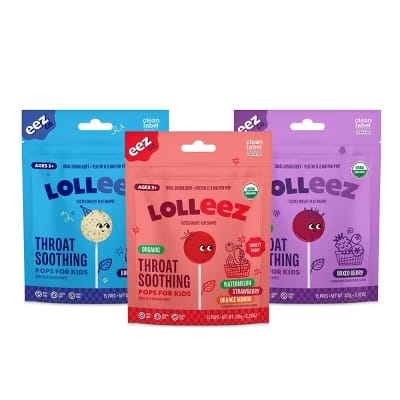 | Lolleez Throat Soothing Pops for KidsReporting live from a full house of sick family! My kids have been so sick this week, they even lost their voices - feeling extra grateful for brands like Lolleez that make healing taste (and feel) like candy. The ingredients are so clean, I don’t feel bad about giving them multiple a day (and yes, they will request multiple a day). |
 | Traditional Medicinals - Throat CoatWhile Lolleez has soothed the kids, I’ve been sipping on tea for my sore throat. Traditional Medicinals’ Organic Throat Coat never lets me down when I’m under the weather. It truly offers instant relief, helping me take care of my family better! |
 | Boogie Vapor BathI usually drop a bit of peppermint oil into my kids’ baths to help clear congestion, but they’d complain that they could taste it. Boogie Vapor Bath is a gentle, soothing bubble bath with “boogie-busting vapors” (🙃). It’s made with a blend of essential oils, but without menthol, parabens, or phthalates. I’ve been using it all week, and have had no complaints! |


🛒 Amazon Closes Fresh and Go Stores, Doubles Down on Whole Foods
This week, Amazon announced it's closing all 72 of its Amazon Fresh and Amazon Go locations, converting select stores to Whole Foods Markets while planning to open 100+ new Whole Foods stores over the next few years.
What's happening:
Amazon is pivoting its entire physical grocery strategy under the Whole Foods brand after Fresh and Go "didn't create a truly distinctive customer experience with the right economic model."
The company will expand Whole Foods Market Daily Shop (its smaller convenience format) from 5 to 10 locations by end of 2026.
Amazon is investing heavily in same-day grocery delivery, which grew 40x since January 2025, with fresh groceries now making up 9 of the top 10 most-ordered items.
They're testing new formats, including a 229,000 sq ft "supercenter" concept near Chicago, combining Amazon Grocery with Whole Foods.
What this means for brands: Amazon is essentially integrating conventional grocery items more deeply into its delivery network - they've already started adding freezers and fridges to fulfillment warehouses for same-day shipping. One of our team members ordered a sewing kit and was prompted to add produce to the order, which all shipped together (sure, she’ll take some bananas with her sewing kit 🤷🏻♀️).
But what’s really interesting here is that this could create cross-merchandising possibilities that didn't exist before. Imagine, as our team member Bill pitched, promotional bundles like "buy a 55-inch TV, get free Slice Soda and Jackson's Chips delivered with it." As grocery gets more integrated with Amazon's broader marketplace (rather than siloed in Fresh stores), brands could see entirely new discovery and trial opportunities through these unexpected shopping moments.
The shift also signals that Amazon sees more growth potential in delivery than in replicating the conventional grocery store experience. With their same-day grocery delivery expanding to 5,000+ cities and seeing explosive growth, brands should be thinking about how to optimize for this delivery-first model - especially since it's performing better than their physical stores ever did.
Criteo just rolled out a new analytics feature that lets brands measure search visibility at the keyword level. The "Share of Voice by Keyword" report provides insights into impression and click share for branded, generic, and competitor keywords - helping brands understand exactly where they're showing up in key search moments.
What you can do with it: Track keyword-level performance across branded vs. non-branded terms, spot opportunities to improve visibility on must-win keywords, and get clarity on how you're competing against other brands in critical search placements.
💚 Better-For-You Brands Are Having a Moment (and Big CPG Is Taking Notice)
The past few months have brought a wave of acquisitions signaling that legacy CPG companies are finally betting big on the clean-label, better-for-you movement. Here's the latest:
The deals:
Bachan’s (authentic Japanese barbecue sauces): The Marzetti Company just acquired this clean sauce brand this week, for $400M.
Good Culture (cottage cheese): L Catterton acquired majority stake valued at $500M+ in January 2026.
Chocolove (premium chocolate): Ritter Sport acquired the Boulder-based brand in November 2025, adding organic chocolate to strengthen its U.S. premium market presence.
The Good Crisp Company (clean-label snacks): Kroger-affiliated MPearlRock acquired the brand in January 2026.
Muir Glen (organic tomatoes): Private equity-backed Violet Foods acquired from General Mills in January 2026.
Wonderbelly (clean digestive health): P&G acquired the Austin-based antacid brand founded in 2021. Products are free from dyes, titanium dioxide, talc, and artificial sweeteners.
Why this matters: These acquisitions validate that ingredient transparency, clean labels, and authentic brand positioning aren't niche preferences anymore - they're becoming table stakes. More importantly, the distribution expansion that comes with these acquisitions should make better-for-you products more accessible to everyday shoppers - and at Veriti, that’s what excites us most. 💚
Thanks for reading!
— Eleanor